Introduction
Artificial Intelligence (AI) has become one of the most transformative technologies of the 21st century. From voice assistants on smartphones to self-driving cars and intelligent recommendation systems, AI is reshaping how people live, work, and interact with technology. The term “Artificial Intelligence” refers to the ability of machines or computer systems to perform tasks that typically require human intelligence, such as learning, reasoning, problem-solving, decision-making, and understanding language.
Over the past few decades, AI has evolved from a theoretical concept into a practical tool that powers many modern applications. Businesses, healthcare systems, educational institutions, and governments are increasingly relying on AI technologies to improve efficiency, accuracy, and productivity. As a result, understanding the basics of artificial intelligence has become essential for students, professionals, and technology enthusiasts.
This article provides a comprehensive introduction to artificial intelligence, including its definition, history, types, applications, benefits, challenges, and future prospects.
What is Artificial Intelligence?
Artificial Intelligence is a branch of computer science that focuses on creating machines capable of performing tasks that usually require human intelligence. These tasks include recognizing speech, identifying images, translating languages, making decisions, and learning from experience.
AI systems are designed to simulate human thinking and behavior by using algorithms and large amounts of data. Through techniques such as machine learning and deep learning, computers can analyze patterns, make predictions, and continuously improve their performance.
For example, when you use a voice assistant like Siri or Google Assistant, the system uses artificial intelligence to understand your voice commands and respond appropriately. Similarly, recommendation systems used by platforms like Netflix or Amazon analyze your preferences and suggest content based on your behavior.
In simple terms, artificial intelligence allows machines to learn from data, adapt to new situations, and perform tasks without explicit programming for every scenario.
History of Artificial Intelligence
The concept of artificial intelligence dates back many decades. Early philosophers and scientists wondered whether machines could imitate human thinking. However, the modern field of AI officially began in 1956 during the Dartmouth Conference, where researchers first introduced the term “Artificial Intelligence.”
In the early years, scientists focused on creating programs that could solve mathematical problems and play games like chess. Although progress was initially slow due to limited computing power, AI research continued to evolve.
During the 1980s and 1990s, expert systems became popular. These systems used rule-based programming to simulate the decision-making abilities of human experts in specific fields such as medicine and engineering.
The real breakthrough came in the 21st century with the rise of big data, advanced algorithms, and powerful computers. Machine learning and deep learning technologies allowed AI systems to analyze vast amounts of information and achieve remarkable accuracy in tasks like image recognition and natural language processing.
Today, artificial intelligence is widely used in industries around the world and continues to grow rapidly.
Types of Artificial Intelligence
Artificial intelligence can generally be divided into three main categories based on its capabilities.
1. Narrow AI (Weak AI)
Narrow AI is designed to perform a specific task. Most of the AI systems we use today fall into this category. Examples include voice assistants, recommendation systems, and facial recognition software.
Although narrow AI can perform its assigned tasks extremely well, it cannot operate beyond its programmed function.
2. General AI (Strong AI)
General AI refers to machines that can perform any intellectual task that a human can do. Such systems would be capable of reasoning, understanding, learning, and applying knowledge across multiple domains.
Currently, general AI remains a theoretical concept and has not yet been achieved by researchers.
3. Super AI
Super AI is a hypothetical form of artificial intelligence that would surpass human intelligence in all aspects, including creativity, problem-solving, and emotional understanding. While this concept is often discussed in science fiction, experts are still debating whether it will ever become a reality.
Key Technologies Behind Artificial Intelligence
Artificial intelligence relies on several important technologies that enable machines to learn and make decisions.
Machine Learning
Machine learning is a subset of AI that allows computers to learn from data without being explicitly programmed. Instead of following fixed instructions, machine learning algorithms analyze patterns in data and improve their performance over time.
Deep Learning
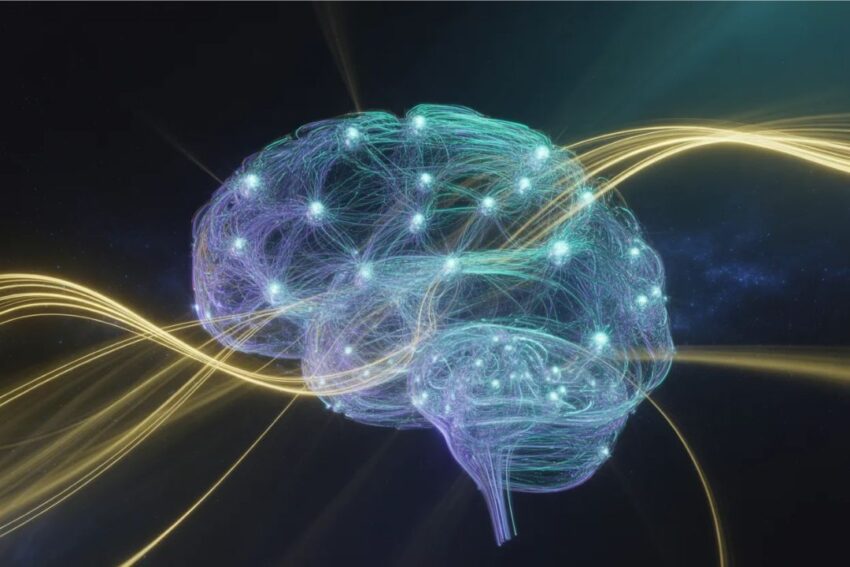
Deep learning is an advanced form of machine learning that uses artificial neural networks inspired by the human brain. These networks consist of multiple layers that process information and identify complex patterns.
Deep learning has been particularly successful in fields such as image recognition, speech recognition, and natural language processing.
Natural Language Processing (NLP)
Natural Language Processing enables computers to understand and process human language. It allows machines to read text, interpret meaning, and respond in a natural way.
Applications of NLP include chatbots, language translation tools, and voice assistants.
Computer Vision
Computer vision allows machines to interpret and analyze visual information from images and videos. This technology is widely used in facial recognition systems, medical imaging, security surveillance, and self-driving cars.
Applications of Artificial Intelligence
Artificial intelligence is used in many industries and continues to expand into new areas.
Healthcare
AI is transforming healthcare by helping doctors diagnose diseases more accurately and efficiently. AI-powered tools can analyze medical images, detect early signs of illness, and recommend treatment options.
Education
In education, AI helps create personalized learning experiences for students. Intelligent tutoring systems can adapt lessons based on individual learning styles and progress.
Business and Finance
Businesses use AI for data analysis, customer service automation, fraud detection, and market prediction. Financial institutions rely on AI algorithms to identify suspicious transactions and manage investments.
Transportation
Self-driving vehicles are one of the most exciting applications of artificial intelligence. These vehicles use sensors, cameras, and AI algorithms to navigate roads safely.
E-commerce
Online shopping platforms use AI to recommend products based on user behavior, improving customer satisfaction and increasing sales.
Benefits of Artificial Intelligence
Artificial intelligence offers numerous advantages across different sectors.
One major benefit is increased efficiency. AI systems can process large amounts of data much faster than humans, allowing organizations to make informed decisions quickly.
Another advantage is improved accuracy. AI algorithms can analyze data with minimal errors, which is especially important in fields such as healthcare and finance.
AI also enhances automation by handling repetitive tasks, freeing humans to focus on more creative and strategic activities.
Furthermore, artificial intelligence can operate continuously without fatigue, making it ideal for monitoring systems and customer service applications.
Challenges and Ethical Concerns
Despite its benefits, artificial intelligence also raises several challenges and concerns.
One major issue is job displacement. As AI systems automate tasks previously performed by humans, some jobs may become obsolete. However, new roles related to AI development and management may also emerge.
Privacy is another concern. AI systems often rely on large amounts of personal data, which raises questions about how this information is collected, stored, and used.
Bias in AI algorithms is also a significant issue. If training data contains biases, AI systems may produce unfair or discriminatory outcomes.
Therefore, it is important for organizations and policymakers to establish ethical guidelines and regulations for the responsible use of artificial intelligence.
The Future of Artificial Intelligence
The future of artificial intelligence looks promising as technology continues to advance. Researchers are working on developing more intelligent systems that can understand complex problems and collaborate with humans.
AI is expected to play a crucial role in areas such as climate change solutions, advanced healthcare treatments, smart cities, and space exploration.
In the coming years, artificial intelligence will likely become even more integrated into everyday life, powering smarter devices, more efficient services, and innovative solutions to global challenges.
However, ensuring that AI is developed responsibly and ethically will be essential for maximizing its benefits while minimizing potential risks.
Conclusion
Artificial intelligence is revolutionizing the modern world by enabling machines to perform tasks that once required human intelligence. From healthcare and education to business and transportation, AI is transforming industries and improving efficiency in countless ways.
Although challenges such as privacy concerns and job displacement must be addressed, the potential benefits of AI are enormous. With continued research and responsible development, artificial intelligence has the power to create a smarter, more connected, and more innovative future.
Understanding the fundamentals of AI is therefore essential for anyone interested in technology and its impact on society. As artificial intelligence continues to evolve, it will undoubtedly remain one of the most important and influential technologies of our time.