Introduction
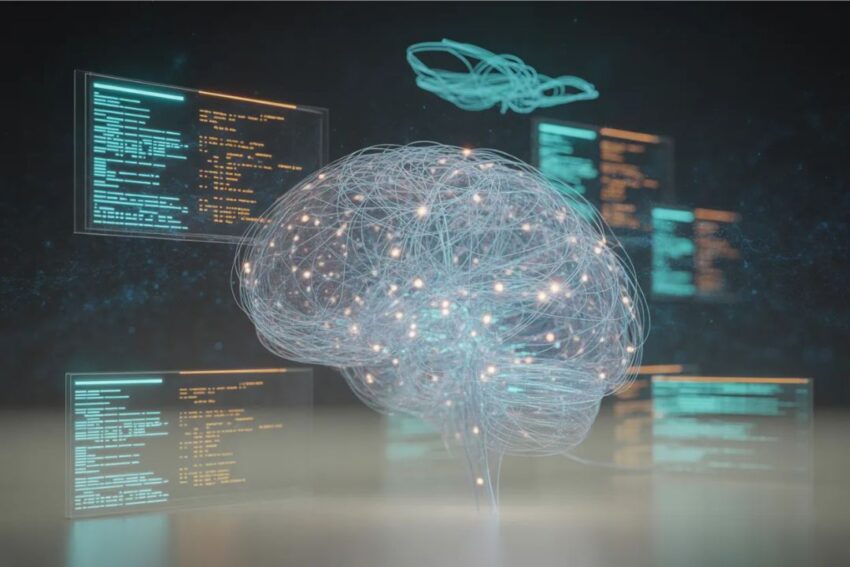
Artificial Intelligence (AI) is rapidly transforming the world and reshaping how societies function. From smart assistants and automated systems to advanced medical technologies, AI is becoming an essential part of modern life. As technology continues to evolve, the future of artificial intelligence promises even greater advancements that could revolutionize industries, economies, and everyday human experiences.
The future of AI is not just about smarter machines; it is about creating systems that can learn, adapt, and collaborate with humans to solve complex problems. Governments, businesses, and researchers around the world are investing heavily in AI research and development, making it one of the most important technological fields of the 21st century.
This article explores the future of artificial intelligence, including emerging trends, potential applications, benefits, challenges, and its overall impact on society.
Understanding Artificial Intelligence
Artificial Intelligence refers to the ability of machines and computer systems to perform tasks that normally require human intelligence. These tasks include learning from data, recognizing patterns, understanding language, solving problems, and making decisions.
AI systems rely on technologies such as machine learning, deep learning, natural language processing, and computer vision to analyze large amounts of information and produce intelligent outcomes.
As computing power continues to increase and more data becomes available, AI systems are becoming more powerful and capable. This progress is paving the way for a future where artificial intelligence plays a central role in many aspects of life.
Emerging Trends in Artificial Intelligence
The future of artificial intelligence will be shaped by several emerging technological trends.
1. Advanced Machine Learning
Machine learning will continue to improve as algorithms become more efficient and capable of processing complex datasets. Future AI systems will be able to learn faster, make better predictions, and adapt to new situations with minimal human intervention.
This advancement will enable organizations to automate complex processes and gain deeper insights from data.
2. AI and Big Data Integration
The combination of artificial intelligence and big data will drive innovation across industries. AI systems will analyze massive amounts of information in real time, allowing businesses and governments to make better decisions.
For example, AI can help predict economic trends, detect cyber threats, and improve supply chain management.
3. Human-AI Collaboration
Instead of replacing humans, the future of AI will focus more on collaboration between humans and intelligent machines. AI will assist people in performing tasks more efficiently by providing recommendations, analyzing information, and automating repetitive activities.
This collaboration will enhance productivity in fields such as healthcare, engineering, research, and education.
4. Autonomous Systems
Autonomous technologies such as self-driving vehicles, drones, and robotic systems will become more advanced in the coming years. These systems will rely heavily on artificial intelligence to make real-time decisions and operate safely without human control.
Autonomous systems could transform transportation, logistics, agriculture, and emergency services.
Future Applications of Artificial Intelligence
Artificial intelligence is expected to influence many sectors in the future.
Healthcare Innovation
AI will play a major role in improving healthcare systems worldwide. Future AI-powered tools will help doctors diagnose diseases earlier, develop personalized treatments, and monitor patient health more effectively.
Artificial intelligence could also accelerate medical research by analyzing large datasets to discover new medicines and treatment methods.
Smart Cities
AI will contribute to the development of smart cities that use technology to improve urban living. Intelligent systems will manage traffic flow, energy consumption, waste management, and public safety more efficiently.
These smart infrastructures will help reduce pollution, save energy, and improve the overall quality of life for residents.
Education Transformation
Education will also benefit greatly from artificial intelligence. AI-powered learning platforms will provide personalized educational experiences for students based on their learning pace and abilities.
Virtual tutors and intelligent educational systems will help students understand complex subjects more effectively.
Business and Economic Growth
Businesses will continue to adopt AI technologies to improve productivity, reduce costs, and enhance customer experiences. Artificial intelligence will support decision-making processes by analyzing market trends and consumer behavior.
AI-powered automation will also streamline operations in manufacturing, finance, marketing, and customer service.
Space Exploration
Artificial intelligence will assist scientists in exploring space and analyzing astronomical data. AI-powered robots and autonomous spacecraft may explore distant planets, gather information, and conduct experiments in environments that are too dangerous for humans.
Benefits of Future Artificial Intelligence
The continued development of artificial intelligence offers many potential advantages.
Increased Efficiency
AI systems can perform complex tasks quickly and accurately, improving productivity in industries such as manufacturing, healthcare, and logistics.
Innovation and Scientific Discovery
Artificial intelligence can analyze vast datasets that would be impossible for humans to process manually. This capability can accelerate research in fields such as medicine, climate science, and physics.
Improved Quality of Life
AI technologies will make daily life more convenient through smart homes, intelligent transportation systems, and advanced healthcare services.
Economic Development
The growth of AI-driven industries will create new business opportunities and generate economic growth worldwide.
Challenges and Risks of Artificial Intelligence
Despite its many advantages, the future of artificial intelligence also presents several challenges.
Job Displacement
Automation powered by AI may replace certain jobs, particularly those involving repetitive tasks. Workers may need to develop new skills to adapt to changing job markets.
Ethical Concerns
AI systems must be developed responsibly to ensure fairness and prevent discrimination. Ethical guidelines will be essential for regulating how AI technologies are used.
Privacy and Security
AI relies heavily on data, which raises concerns about data privacy and cybersecurity. Protecting sensitive information will be critical in an AI-driven world.
Control and Accountability
As AI systems become more autonomous, questions arise about who is responsible for their decisions. Governments and organizations will need to establish clear regulations and accountability frameworks.
The Role of Governments and Organizations
To ensure that artificial intelligence benefits society, governments and organizations must work together to develop policies and regulations. Responsible AI development should prioritize transparency, fairness, and safety.
Educational institutions also play an important role in preparing future generations for an AI-driven world by teaching skills related to technology, data science, and critical thinking.
Investing in research and innovation will help ensure that artificial intelligence continues to develop in ways that support human progress.
The Long-Term Vision of Artificial Intelligence
Looking further into the future, AI could become even more advanced, potentially achieving levels of intelligence comparable to humans. While this possibility remains uncertain, researchers continue to explore new ways of creating more sophisticated and adaptive AI systems.
Future artificial intelligence may help solve some of humanity’s greatest challenges, including climate change, disease prevention, food security, and sustainable development.
If developed responsibly, AI has the potential to become one of the most powerful tools for improving human life and building a better future.
Conclusion
The future of artificial intelligence holds enormous potential for transforming society and driving innovation across many industries. From healthcare and education to transportation and space exploration, AI technologies will continue to shape the way people live and work.
While challenges such as ethical concerns, job displacement, and data privacy must be addressed, the benefits of artificial intelligence are far-reaching. With responsible development and effective regulation, AI can help create a smarter, more efficient, and more sustainable world.
As artificial intelligence continues to evolve, it will undoubtedly remain at the forefront of technological progress and play a vital role in shaping the future of humanity.